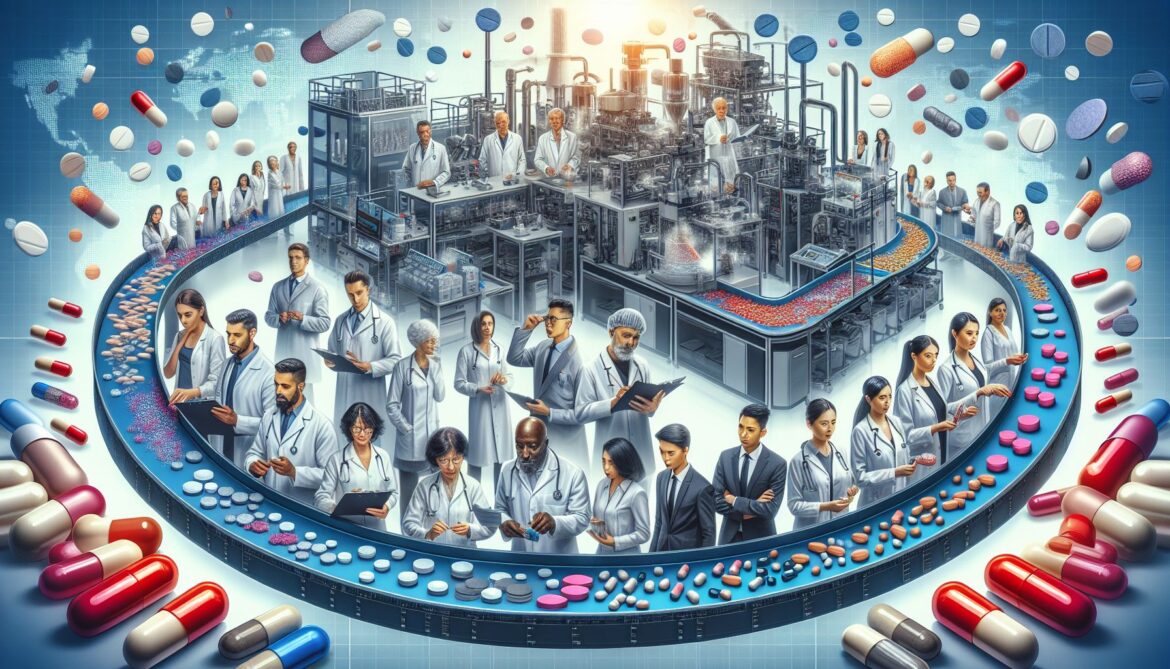
The field of medicine has significantly evolved over the years, and the pharmaceutical industry plays a vital role in this transformation. With the continuous advancements in technology and research, medicines have become an essential part of our lives, improving the overall health and well-being of individuals worldwide. In this article, we explore the significance of medicines in the ever-growing pharmaceutical world.
The Power of Medicines: A Lifeline for Many
Medicines have the power to save lives and alleviate suffering. They have revolutionized healthcare by preventing, managing, and curing diseases that were once deemed incurable. From antibiotics fighting infections to chemotherapy drugs combating cancer, medicines have proved to be indispensable in improving the quality and duration of life.
Moreover, medicines are not just limited to treating illnesses but also essential for managing chronic conditions. From diabetes to hypertension, medicines enable individuals to live normal lives by controlling their symptoms and preventing complications. They act as a lifeline for millions, ensuring a better quality of life and reducing the burden on healthcare systems.
The Pharmaceutical Industry: Driving Innovation and Research
Behind every medicine lies years of research, development, and rigorous testing. The pharmaceutical industry plays a pivotal role in driving these advancements. With immense investments in scientific research and clinical trials, pharmaceutical companies strive to bring new and improved medications to market.
The industry’s commitment to innovation has led to groundbreaking discoveries and breakthrough therapies. Through a deep understanding of diseases and novel treatment approaches, pharmaceutical companies continually push the boundaries of medical science. They aim to provide physicians and patients with the tools needed to combat diseases effectively.
Ensuring Safety and Accessibility: Balancing Challenges
While medicines have undeniably transformed healthcare, ensuring their safety and accessibility remains a significant challenge. Stringent regulations and quality control measures are in place to guarantee that medicines are safe for consumption. However, the rise in counterfeit drugs and the continuous need for improved manufacturing standards present ongoing hurdles for the pharmaceutical industry.
Additionally, ensuring equitable access to medicines is a global concern. Many individuals, particularly in developing countries, face barriers to obtaining affordable and essential medications. Pharmaceutical companies, healthcare organizations, and governments must work together to address these challenges and ensure that life-saving treatments are accessible to all.
The Future of Medicines: Personalized and Targeted Therapies
As technology continues to advance, the future of medicines looks promising. Personalized medicine, which tailors treatments to an individual’s genetic makeup, is gaining momentum. By understanding the genetic factors contributing to diseases, healthcare providers can deliver more targeted therapies, leading to better outcomes and fewer side effects.
Moreover, with the advent of precision medicine, new therapies are being developed that target specific molecular pathways involved in diseases. This approach brings hope for previously untreatable conditions and demonstrates the potential of medicines to revolutionize healthcare further.
Conclusion
Medicines have undoubtedly revolutionized the healthcare landscape, improving the lives of countless individuals worldwide. The pharmaceutical industry’s commitment to research, innovation, and ensuring safety has been instrumental in this progress. However, challenges remain in terms of accessibility and addressing emerging issues.
Looking ahead, the future of medicines holds great promise, with personalized and targeted therapies on the horizon. By embracing the potential of technology and collaboration, we can harness the power of medicines to conquer diseases and improve global health outcomes. Through continued research, innovation, and cooperation, the pharmaceutical world is poised to shape the future of medicine for generations to come.