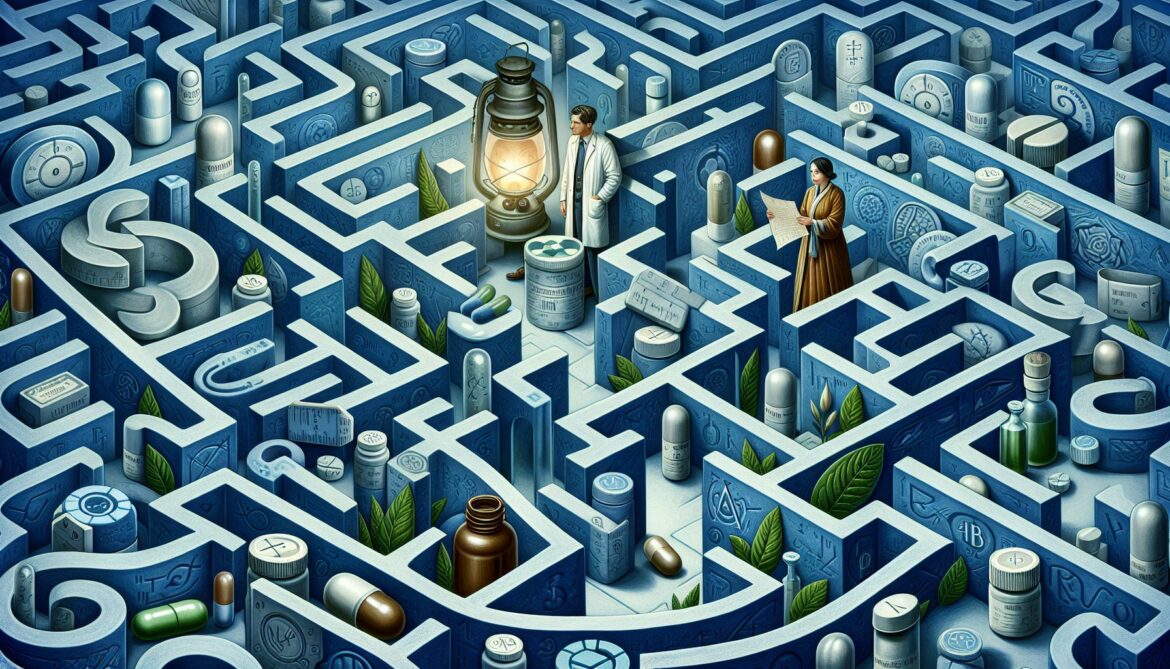
The pharmaceutical industry plays a pivotal role in the healthcare system, offering a vast range of medicines that improve and save countless lives. With the constant flow of new drugs, it can be overwhelming to understand the developments, challenges, and ethical considerations surrounding this dynamic field. In this article, we will delve into the pharmaceutical world, unraveling the intricacies that lie within.
The Journey of a Medicine
The inception of a new medicine involves a journey that spans several years of research, testing, and regulatory approval. It all commences in laboratories, where scientists tirelessly explore novel chemical compounds or biological agents potent enough to tackle a specific disease or alleviate its symptoms. These potential candidates undergo extensive testing in vitro and in animal models to assess their safety and efficacy.
Once a potential drug shows promise, researchers progress to clinical trials, where its effects are studied in humans. This phase is crucial, as it determines not only the drug’s effectiveness but its side effects and proper dosage as well. Clinical trials are typically conducted in multiple stages, involving an increasing number of participants to ensure reliability and safety.
Shaping the Future of Healthcare
The pharmaceutical industry is the backbone of healthcare, continuously evolving to address the pressing health challenges faced worldwide. New treatments for previously untreatable conditions, breakthroughs in personalized medicine, and advances in gene therapy are just some examples of the constant progress in this field.
In addition to developing novel treatments, pharmaceutical companies invest heavily in research and development. This commitment fuels innovation and leads to significant advancements in medical science. For instance, the world witnessed the rapid development of COVID-19 vaccines through a global collaboration between scientists, governments, and pharmaceutical organizations.
Challenges and Ethical Considerations
The pharmaceutical world is not without its fair share of challenges and ethical concerns. The lengthy and costly process of drug development means that potential life-saving treatments may never enter the market due to financial constraints or lack of efficacy. Balancing profits and accessibility to medicines for all remains an ongoing debate.
Moreover, the pharmaceutical industry must navigate patent laws and intellectual property rights. Patents protect the investments made in drug development, but they also limit affordability, hindering access to vital medications, especially in low-income countries.
Conclusion
Medicine and the pharmaceutical world are intricately intertwined, shaping the landscape of healthcare and offering hope for millions of patients worldwide. From the discovery and development of new drugs to addressing global health challenges, pharmaceutical companies play a crucial role in advancing medical science.
However, it is important to recognize the challenges that exist within this industry and strive for solutions that prioritize both innovation and accessibility. By fostering a collaborative environment between researchers, policymakers, and healthcare providers, we can ensure that life-improving and life-saving medicines reach those who need them most. Let us continue to support the pharmaceutical industry as it paves the way toward a healthier future for all.