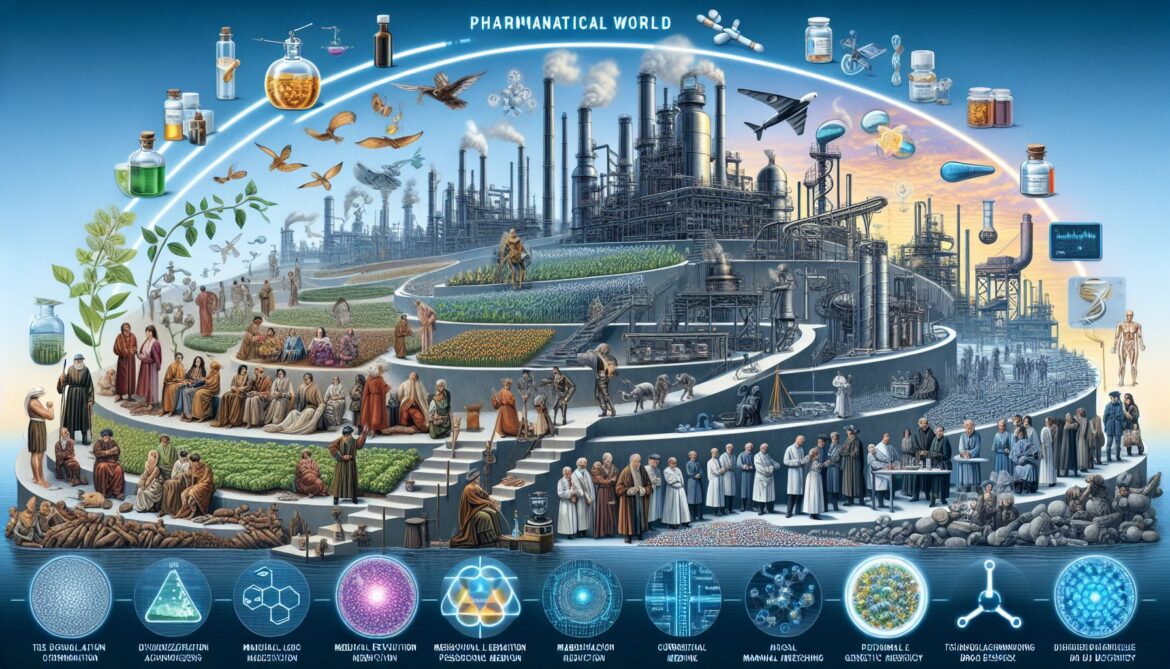
The pharmaceutical industry, with its profound impact on human health, has been accelerating at an unmatched pace. From ancient herbal remedies to complex synthesized drugs, medicines have come a long way in ensuring our well-being. In this blog post, we will delve into the fascinating realm of medicines, exploring their development, contributions to healthcare, and the future of this ever-evolving pharmaceutical world.
The Journey Begins: Ancient Wisdom and Herbal Remedies
Medicine’s journey dates back to ancient civilizations, where healers relied on herbal remedies and natural substances to cure ailments. Harnessing the healing properties of plants, these ancient physicians laid the foundation for modern medicine. From the Egyptians’ papyri to the Ayurvedic texts of India, the knowledge on herbal medicines helped humanity combat various diseases for centuries.
Revolutionizing Healthcare: The Era of Synthesized Drugs
The breakthrough in synthesized drugs marked a turning point in the pharmaceutical world. The discovery of penicillin by Alexander Fleming in 1928 paved the way for the mass production of antibiotics. This newfound ability to create medicines in laboratories not only revolutionized healthcare but also opened doors to remarkable advancements.
The pharmaceutical industry leverages extensive research, clinical trials, and regulatory approvals to develop drugs that target specific diseases. Whether it’s life-saving medications for chronic conditions, pain relief, or vaccines to prevent diseases, pharmaceutical companies play a vital role in enhancing global well-being.
Overcoming Challenges: Safety, Efficacy, and Accessibility
The pharmaceutical world faces a plethora of challenges in ensuring the safety, efficacy, and accessibility of medicines. Rigorous testing and clinical trials are conducted to evaluate the potential risks and benefits before drugs are introduced in the market. Regulations and ethical considerations guide pharmaceutical companies to maintain high standards in drug development.
Additionally, cost and accessibility remain significant concerns. High research and development expenses often lead to expensive medications, making them inaccessible to many who need them. Bridging this gap is crucial to ensure equitable access to life-saving medicines for all individuals worldwide.
The Future: Unlocking Potential and Embracing Innovation
The pharmaceutical industry is at an exciting juncture, poised to embrace groundbreaking innovations. From gene therapies and personalized medicine to biotechnology and artificial intelligence, the integration of these technologies offers unprecedented opportunities for medical breakthroughs. Targeted therapies tailored to an individual’s genetic makeup hold the potential to revolutionize treatment outcomes.
Moreover, the digitization of healthcare has opened avenues for telemedicine and remote patient monitoring, transforming the way we access and utilize medicines. These advancements not only enhance patient convenience but also enable healthcare professionals to provide personalized care with greater precision and efficiency.
Conclusion
The evolution of medicines continues to shape the future of healthcare, promoting longevity and improving quality of life. From ancient herbal remedies to synthesized drugs, numerous milestones have laid the foundation for the pharmaceutical world we know today. As technology advances and research uncovers new frontiers, the potential for groundbreaking discoveries and effective treatments has never been greater. By addressing challenges related to safety, efficacy, and accessibility, we can ensure that the transformative power of medicines reaches every corner of the world, ultimately creating a healthier and more prosperous future for humanity.