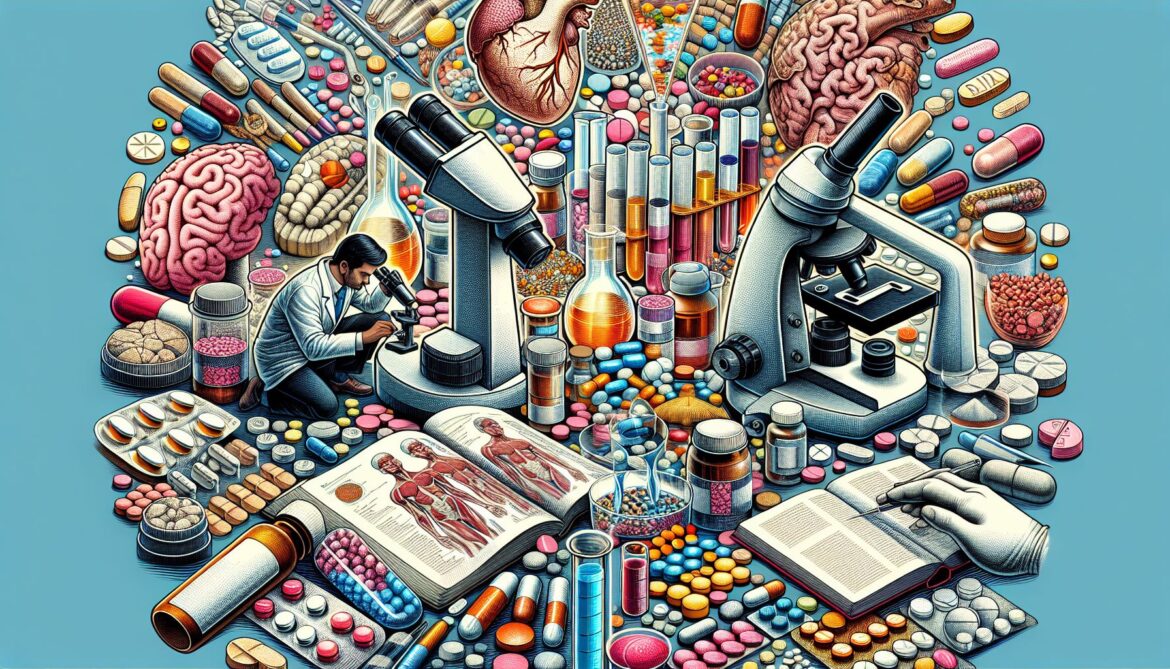
The pharmaceutical industry plays a crucial role in the healthcare sector, with the development, production, and distribution of medicines being at the core of its operations. Medicines are essential for the prevention, treatment, and management of various health conditions, from common ailments to life-threatening diseases. The pharmaceutical world is a complex and intricate one, involving extensive research, stringent regulations, and constant innovation.
In the realm of medicines, research and development are key components. Pharmaceutical companies invest heavily in research to discover new drugs, improve existing treatments, and find cures for diseases. This process involves a rigorous evaluation of potential drug candidates, testing their safety and efficacy through clinical trials, and obtaining regulatory approval before they can be brought to market.
On the production side, pharmaceutical manufacturers have to adhere to strict quality control measures to ensure that their products meet the required standards for safety, potency, and purity. The manufacturing process involves a series of steps, from sourcing raw materials to formulation, packaging, and distribution. Compliance with Good Manufacturing Practices (GMP) is essential to guarantee the quality and consistency of medicines.
In the pharmaceutical world, regulations and guidelines play a crucial role in ensuring the safety and efficacy of medicines. Regulatory bodies, such as the Food and Drug Administration (FDA) in the United States, set standards for drug approval, labeling, advertising, and post-market surveillance. Pharmaceutical companies must comply with these regulations to ensure that their products are safe and effective for use by patients.
Innovation is another key aspect of the pharmaceutical industry, as companies constantly strive to develop new medicines and technologies to address unmet medical needs. Advances in biotechnology, genomics, and personalized medicine have revolutionized the way drugs are discovered, developed, and delivered to patients. The rise of digital health technologies, such as telemedicine and wearable devices, has also transformed the healthcare landscape.
Despite the significant advancements in medicines and pharmaceuticals, challenges persist in the industry. These include high development costs, regulatory hurdles, intellectual property issues, and access to affordable medicines. Pharmaceutical companies must navigate these challenges while balancing the need for innovation, profitability, and public health.
In conclusion, the world of medicines and pharmaceuticals is a multifaceted and dynamic one, with far-reaching implications for global health. From research and development to production, regulation, and innovation, every aspect of the pharmaceutical industry plays a vital role in ensuring that patients have access to safe, effective, and affordable medicines. As we continue to face new health challenges and opportunities, the pharmaceutical world will remain at the forefront of healthcare innovation.