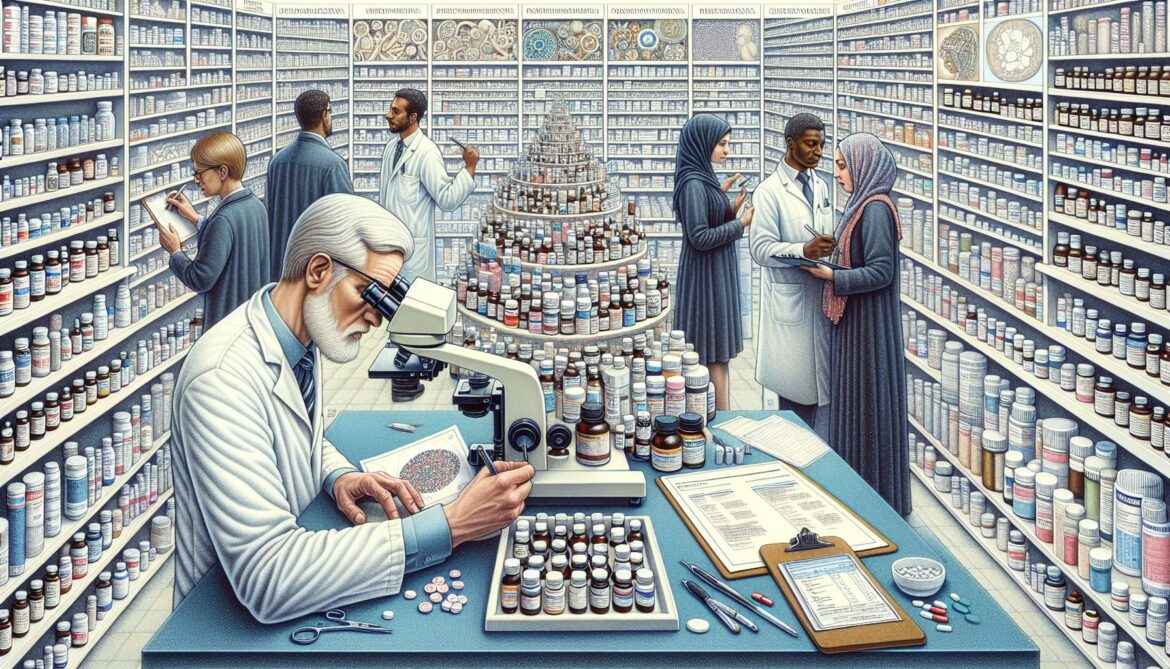
The world of pharmaceuticals is a fascinating yet complex industry that plays a crucial role in healthcare. Medicines are essential for treating and preventing various diseases, improving quality of life, and extending lifespan. The pharmaceutical world is constantly evolving with new advancements in research, technology, and regulations.
In the realm of medicines, there are various categories such as over-the-counter drugs, prescription medications, vaccines, and biologics. Over-the-counter drugs are readily available without a prescription and are commonly used to treat minor ailments like headaches, colds, and allergies. Prescription medications, on the other hand, are prescribed by healthcare providers for more serious conditions that require supervision and monitoring.
Vaccines are another important component of the pharmaceutical world, as they help prevent infectious diseases and protect individuals from potentially deadly illnesses. The development and distribution of vaccines have been instrumental in eradicating diseases like smallpox and reducing the spread of measles, polio, and influenza.
Biologics are a newer category of medicines that are derived from living organisms like animals, plants, or bacteria. These complex molecules are used to treat conditions such as cancer, autoimmune diseases, and genetic disorders. Biologics have revolutionized the treatment of many diseases and are expected to play a significant role in the future of healthcare.
The pharmaceutical world is highly regulated to ensure the safety, efficacy, and quality of medicines. Regulatory bodies like the Food and Drug Administration (FDA) in the United States and the European Medicines Agency (EMA) in Europe set standards for drug approval, manufacturing, and marketing. These regulations are in place to protect patients and ensure that medicines meet strict criteria for safety and effectiveness.
In recent years, there have been advancements in personalized medicine, which tailors treatment to an individual’s genetic makeup, lifestyle, and environment. This approach allows for more precise and targeted therapies that can improve outcomes and reduce side effects. Additionally, the rise of digital health technologies and telemedicine have created new opportunities for patients to access healthcare services remotely and manage their health more effectively.
Overall, the pharmaceutical world is a constantly evolving landscape that plays a critical role in healthcare. As technology, research, and regulations continue to advance, the future of medicines looks promising with the potential to improve outcomes, increase access to care, and enhance the quality of life for patients worldwide.