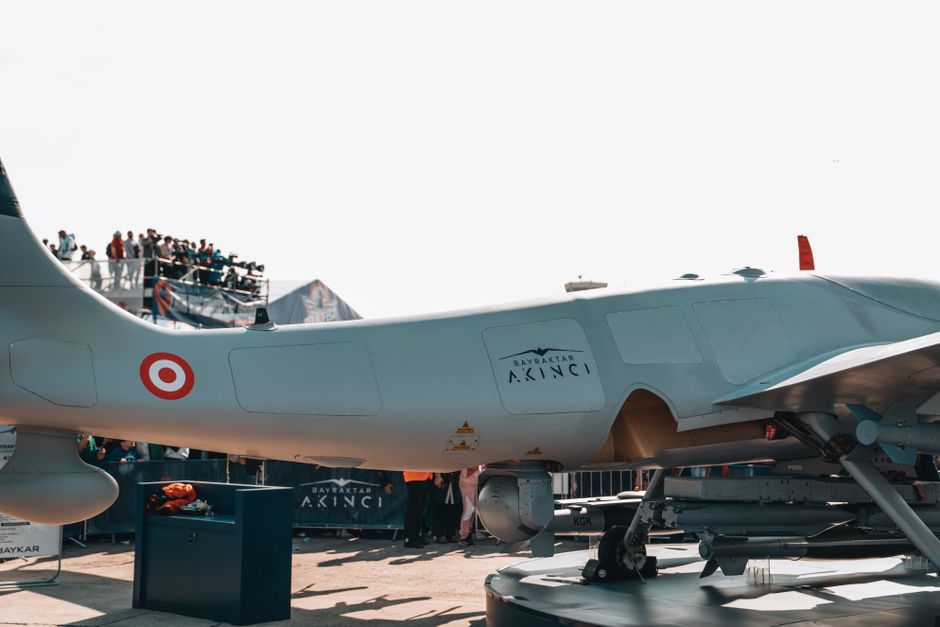
Imagine a scenario where rapid intelligence gathering can make the difference between mission success and failure. Military drone systems are transforming operations with their unique ability to provide real-time surveillance and data collection from the sky. These unmanned aerial vehicles (UAVs) are now central to modern defense and security strategies, and their technology is quickly advancing.
The evolution of military UAVs and drones
Military drone systems from Acecore illustrate how far unmanned aerial technology has come. The terms “UAV” and “drone” are often used interchangeably, but there are subtle differences. UAV refers to any aerial vehicle operated remotely without a pilot onboard, while “drone” is a broader term that includes UAVs but can also describe sea and land-based robotic systems. In the military context, drones are typically UAVs equipped for tasks where human presence would be risky or inefficient.
Key applications: surveillance and security
One of the most significant uses for military drone systems is aerial surveillance. These specialized surveillance drones are equipped with advanced sensors and cameras, allowing operators to monitor vast areas from a distance. High-resolution imaging, thermal vision, and live video feeds help military teams detect and track movements, assess threats, and respond quickly to changing situations. Surveillance drones are often deployed for border security, convoy protection, and emergency response scenarios where timely information is critical.
Inspection and utility monitoring roles
Beyond reconnaissance, military drones are increasingly used for inspection tasks. Drone inspection technology enables forces to evaluate infrastructure such as bridges, communication towers, and power lines without exposing personnel to unnecessary danger. Drone utility inspection capabilities extend to analyzing remote or hazardous environments, detecting damage, identifying vulnerabilities, and supporting maintenance planning. These inspection drones help maintain operational readiness and minimize downtime in critical military facilities.
Commercial drones versus military systems
The distinction between commercial drones and military drone systems lies in both complexity and capability. Commercial drones are widely used for photography, agriculture, and routine inspections, offering ease of use and affordability. Military-grade drones, however, are engineered for durability, encrypted communications, payload flexibility, and advanced autonomy. These features allow for secure operations in contested environments and expanded mission profiles beyond what commercial platforms can provide.
Where innovation is heading next
The innovators at Acecore are pushing the boundaries of what drone technology can deliver to defense and security clients. Developments in artificial intelligence, autonomous flight, and sensor integration are making drones more effective than ever before. The next wave of military systems will likely offer even greater endurance, stealth, and cross-platform connectivity, supporting missions that were unthinkable a decade ago.
Exploring deeper: advanced drone security and deployment guides
For those interested in best practices for drone security or comparing advanced deployment methods, sector-specific guides provide practical insights. Consider reviewing resources on data protection for UAV operations or detailed comparisons of surveillance drone models to make an informed choice for your application.