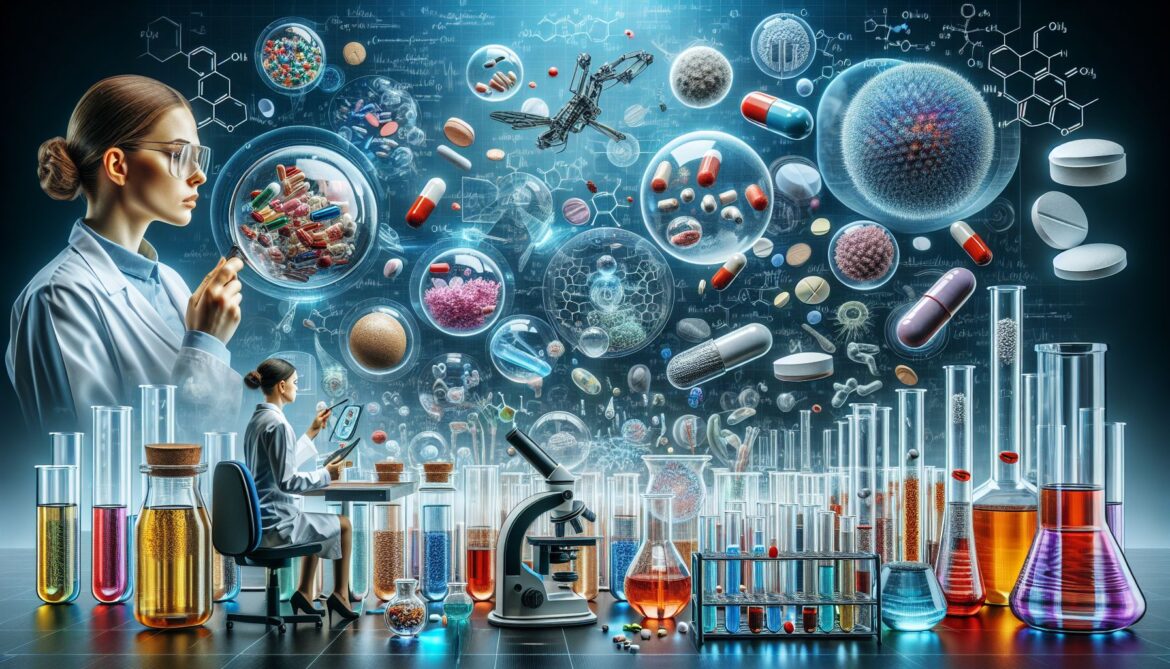
As long as humans have existed, so has the need for remedies to alleviate pain and cure ailments. Throughout history, ancient civilizations relied on natural substances such as herbs and minerals for medicinal purposes. But it wasn’t until the advent of modern medicines and the rise of the pharmaceutical industry that our ability to heal and improve health reached unprecedented levels.
The Birth of Modern Medicine
In the late 19th and early 20th centuries, a wave of scientific breakthroughs revolutionized medicine. With advancements in chemistry and biology, scientists discovered how to extract, synthesize, and modify compounds to create an array of effective drugs. The development of antibiotics, painkillers, and vaccines marked a turning point, providing the medical community with powerful tools to fight infections and improve the quality of life for millions.
The Role of the Pharmaceutical Industry
The pharmaceutical industry plays a vital role in the research, development, production, and distribution of medicines worldwide. These companies invest heavily in research and development to bring new drugs to market, often spending several years and millions of dollars in the process. From the initial discovery of a potential compound to rigorous testing and clinical trials, pharmaceutical companies ensure that medicines are safe, effective, and adhere to stringent regulatory standards.
The Complexity of Drug Development
Bringing a new medicine to market is a complex and lengthy process. It typically involves multiple stages, starting with preclinical research and laboratory testing, followed by clinical trials involving human subjects. These trials assess the drug’s safety, efficacy, and dosage requirements. If successful, the pharmaceutical company must then obtain regulatory approval before production and distribution can begin.
The Ethical Considerations
While the pharmaceutical industry provides invaluable contributions to public health, it is not without challenges. One major aspect of concern is the pricing of drugs, especially in developing countries where access to life-saving medicines is often hindered by high costs. Balancing the need for affordable access with the financial sustainability of pharmaceutical companies is a delicate ethical dilemma that continues to be debated.
The Future of Medicine
As technology progresses rapidly, the world of medicine is poised for yet another transformation. Advances in genetics, nanotechnology, and artificial intelligence hold the promise of personalized medicine tailored to each individual’s unique biology. These advancements may lead to more targeted therapies, reduced side effects, and increased efficacy. Additionally, with a growing interest in alternative medicine, there is an increasing focus on integrating traditional remedies with modern pharmaceuticals, acknowledging the potential benefits of both approaches.
In Conclusion
The world of medicines and pharmaceuticals has come a long way from its humble beginnings. Thanks to the relentless pursuit of scientific knowledge and the tireless efforts of the pharmaceutical industry, we now have a wide range of effective treatments at our disposal. While challenges persist, the future looks promising, with new technologies and approaches on the horizon. As we move forward, let us remember the profound impact that medicines have on our lives, and the importance of ensuring their availability to all who need them.