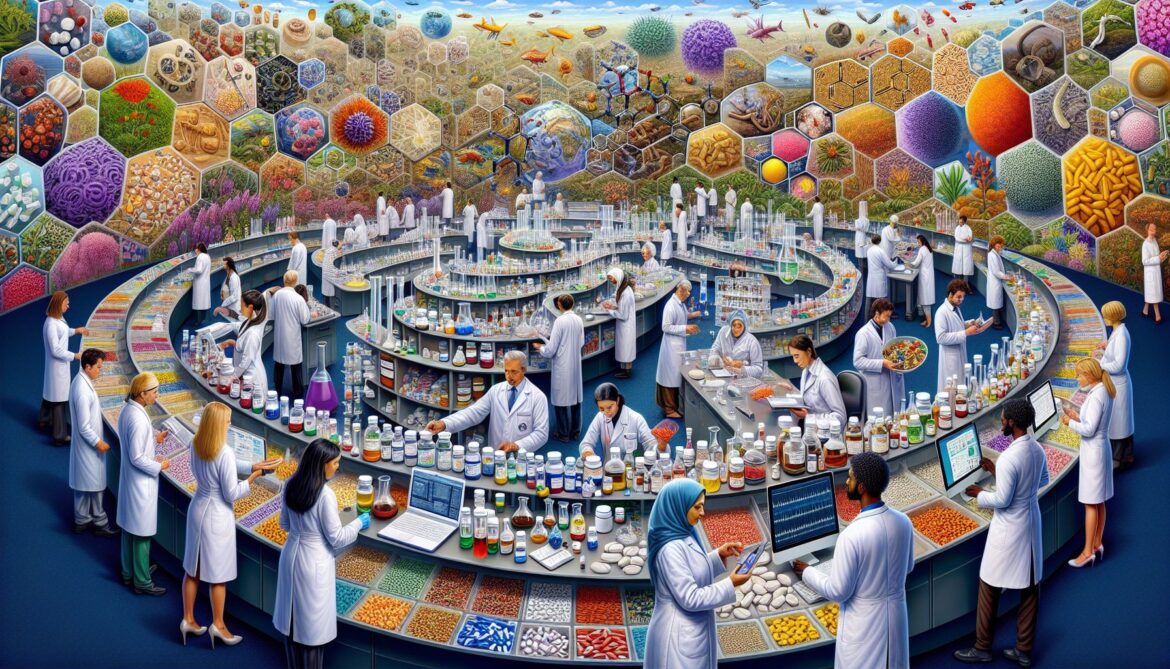
The field of medicine has undergone remarkable advancements over the years, leading to enhanced health outcomes and improved quality of life for millions of people. Behind these revolutionary breakthroughs lies the pharmaceutical industry, tirelessly working to develop innovative medications to combat diseases and alleviate suffering. In this article, we will delve into the captivating world of medicines and the relentless pursuit of better health solutions.
The Role of Medicines in Healthcare
Medicines are the backbone of modern healthcare, offering relief from ailments, managing chronic conditions, and saving countless lives. From simple painkillers to complex cancer treatments, medications have the power to alleviate pain, reduce symptoms, and eradicate diseases. Moreover, pharmaceuticals play a crucial role in preventing diseases through vaccinations and immunizations, contributing to the overall improvement in global public health.
The Pharmaceutical Landscape
The pharmaceutical industry encompasses a vast array of players, including research-based companies, generic drug manufacturers, and biotech firms. These players collaborate with academic institutions, research organizations, and regulatory authorities to drive drug discovery and development. The journey of a new medication, from concept to market approval, is a highly regulated process that demands extensive clinical trials, rigorous safety assessments, and comprehensive efficacy evaluations.
The Innovation Engine
Innovation lies at the very heart of the pharmaceutical industry. The relentless pursuit of medical breakthroughs drives companies to invest significant resources in research and development (R&D). However, the road to innovation is arduous and filled with uncertainties. Developing a new drug can take years, with a high risk of failure at each stage. Only a fraction of potential medications that make it to clinical trials ultimately get approved for use. Yet, despite the challenges, pharmaceutical companies persevere, continuously pushing the boundaries of science to discover new treatments and therapies.
The Balancing Act
Pharmaceutical companies must strike a delicate balance between the quest for profits and the desire to improve global health. Critics often accuse the industry of prioritizing financial gains over the wellbeing of patients, but the reality is more complex. The costs of developing new drugs are staggering, with investments reaching billions of dollars. Companies rely on patents and exclusivity periods to recoup these investments and fund future research. While drug pricing is a contentious issue, it is vital to ensure a sustainable ecosystem that incentivizes innovation and equitable access to life-saving medications.
The Future of Medicines
As technology evolves, so does the world of pharmaceuticals. Exciting developments such as personalized medicine, gene editing, and precision therapeutics are transforming the landscape. These advancements offer tailored treatments based on an individual’s genetic makeup, improving efficacy and minimizing side effects. Artificial intelligence and big data analytics are revolutionizing drug discovery and clinical trials, accelerating the pace of innovation. With these advancements, the future of medicine holds tremendous potential for better health outcomes and increased well-being.
In conclusion, the pharmaceutical industry plays a pivotal role in advancing healthcare and improving the lives of individuals worldwide. Through relentless innovation, strict regulations, and extensive research, medicines have become the cornerstone of modern medicine. While challenges persist, the tireless efforts of pharmaceutical companies continue to reshape our understanding of diseases, pushing the boundaries of what is medically possible. As we move forward, the continued collaboration between the pharmaceutical industry, healthcare providers, and regulatory authorities will be essential to navigate the exciting yet complex journey toward better health for all.