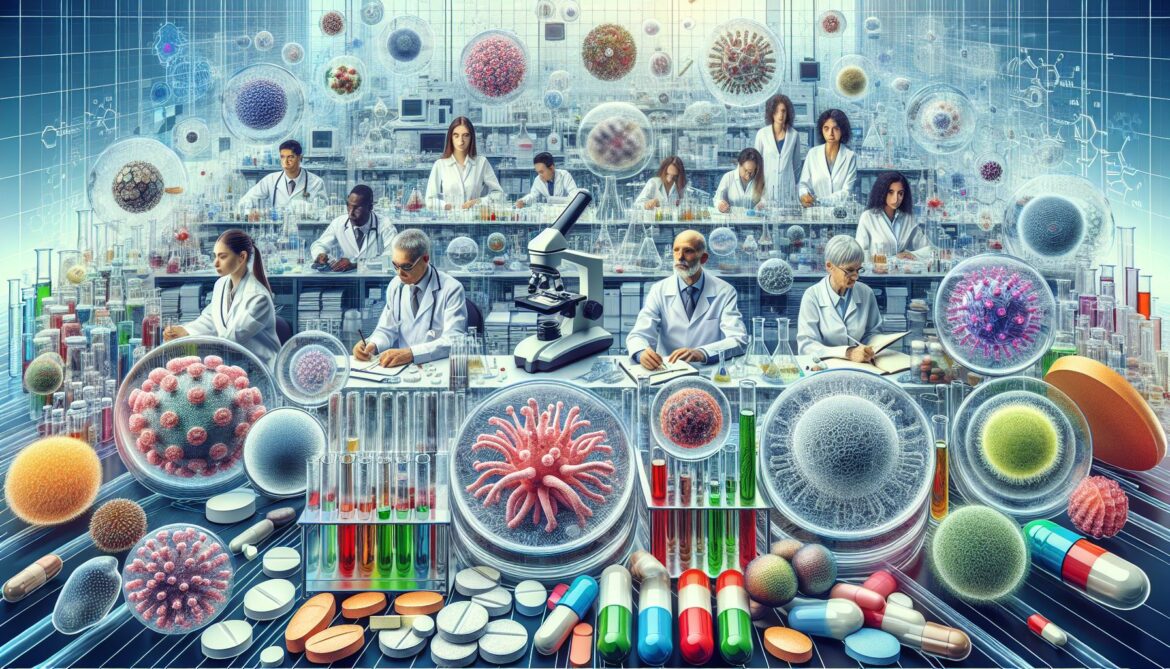
The field of medicine has witnessed tremendous advancements over the years, revolutionizing healthcare and improving the quality of human life. At the forefront of these developments is the pharmaceutical industry, which plays a pivotal role in researching, developing, and manufacturing life-saving drugs. In this blog post, we will explore the fascinating world of medicines and delve into the intricate workings of the pharmaceutical world.
Introduction: Understanding Pharmaceuticals
Pharmaceuticals are drugs produced to diagnose, treat, prevent, or cure diseases. These drugs undergo extensive research, rigorous testing, and regulatory approvals before they can reach the market. The primary goal of the pharmaceutical industry is to create effective, safe, and accessible medications to address various health conditions.
The Complex Process of Drug Development
Developing a pharmaceutical drug is a complex and time-consuming process. It typically begins with the identification of an unmet medical need or a potential target for treatment. Researchers then embark on a journey of discovery, analyzing existing drugs, molecules, and biological pathways to formulate a new compound.
Once a promising candidate is identified, preclinical research is conducted to determine its safety and effectiveness. This stage involves testing the drug on cells, tissues, and animal models to evaluate its potential benefits and side effects. If successful, the drug proceeds to the clinical trial phase.
Clinical trials involve multiple stages and massive human participation. These trials aim to assess the drug’s efficacy, safety, and dosage requirements in people suffering from the target illness. The trials may last several years and are divided into phases, starting with a small group of volunteers and gradually expanding to a larger population.
Regulation, Manufacturing, and Distribution
Before a drug can be sold to the public, it must receive approval from regulatory authorities such as the U.S. Food and Drug Administration (FDA) or the European Medicines Agency (EMA). These agencies evaluate the drug’s benefits, risks, and quality through a rigorous review process. If the drug passes the scrutiny, it receives a marketing authorization, allowing pharmaceutical companies to manufacture and distribute it.
The manufacturing of pharmaceuticals requires adherence to strict quality control standards and regulations. Ensuring consistency, purity, and safety of the drugs is vital to protect public health. Pharmaceutical companies employ advanced technologies and follow Good Manufacturing Practices (GMP) to guarantee the highest quality standards throughout the production process.
Conclusion: Improving Lives through Medicines
The pharmaceutical industry’s tireless efforts in drug development and manufacturing have revolutionized healthcare worldwide. Medicines have played a critical role in eradicating diseases, managing chronic conditions, and extending lifespans. They have alleviated human suffering and improved the overall quality of life. However, it is important to remember that with the power to heal comes a responsibility to ensure ethical practices, affordability, and accessibility to ensure that everyone can benefit from these life-changing drugs.
In conclusion, the pharmaceutical industry is an integral part of modern medicine, continuously striving to develop innovative, safe, and effective drugs. From the early stages of research to the regulatory processes and manufacturing of medications, pharmaceuticals are transforming healthcare and positively impacting millions of lives globally. It is through these remarkable achievements that we continue to progress toward a world where diseases are conquered and quality healthcare is accessible to all.