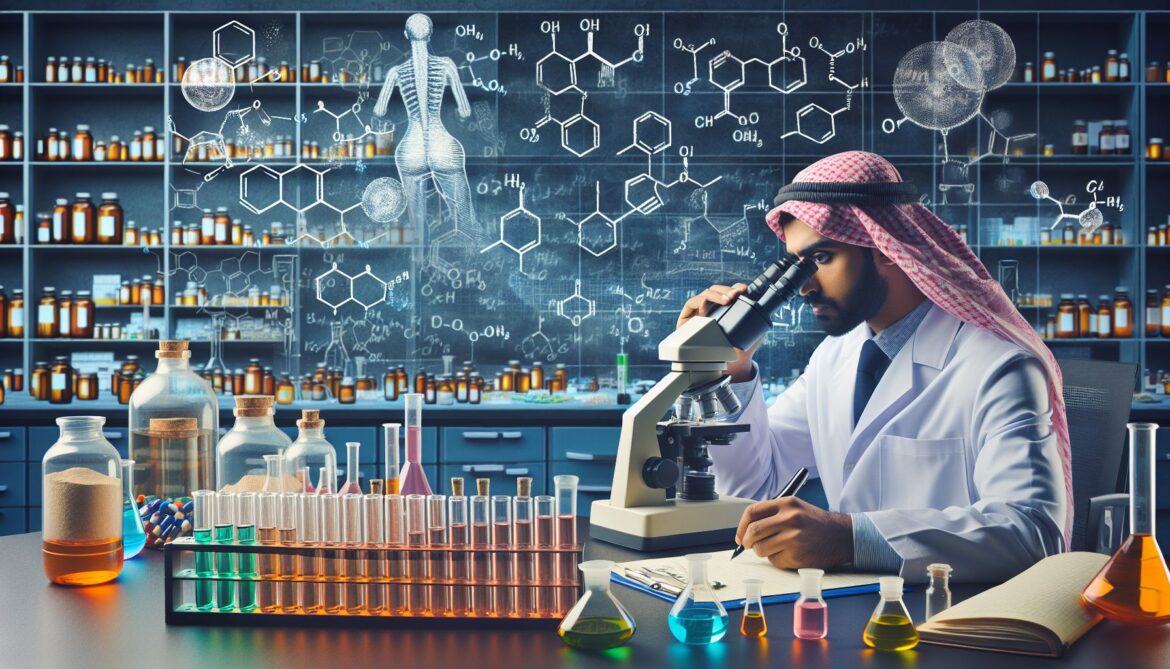
In today’s world, medicines play a crucial role in enhancing our health and well-being. From common cough syrups to life-saving drugs, the pharmaceutical industry is constantly innovating to meet the diverse healthcare needs of individuals worldwide. This blog post aims to delve into the intricacies of this dynamic field, exploring the journey from drug discovery to market availability and shedding light on the significant impact it has on our lives.
The Journey Begins: Drug Discovery and Development
The process of developing a new medicine is an arduous journey that starts in the laboratory. Thousands of potential compounds are tested with the hope of finding a molecule that may effectively treat a specific medical condition. This phase, known as drug discovery, involves extensive research and experimentation to identify compounds with desirable therapeutic properties.
Once a potential compound is identified, the drug moves to the development stage. Here, researchers and scientists conduct rigorous preclinical and clinical trials to evaluate its safety and efficacy. These trials involve testing on animals and, if successful, on human volunteers. It is essential to ensure that any potential side effects and interactions are thoroughly understood before advancing further.
Regulatory Barriers: Safety and Efficacy
Before a new drug can reach the market, it must meet stringent regulatory standards set by authorities such as the Food and Drug Administration (FDA) in the United States. To gain approval, pharmaceutical companies must demonstrate the drug’s safety and efficacy through extensive clinical trials involving a large number of patients. These trials provide crucial evidence of the drug’s benefits, risks, dosages, and potential side effects.
Throughout this process, both pharmaceutical companies and regulatory agencies work together to ensure that medicines are safe, effective, and meet the required ethical standards. The collaboration between researchers, physicians, regulatory bodies, and patients is vital in maintaining high-quality healthcare and safeguarding public health.
The Business of Pharmaceuticals: Manufacturing and Distribution
Once a drug gains approval, pharmaceutical companies set up large-scale manufacturing units to produce it in sufficient quantities. These units must adhere to strict quality control standards to ensure that the medicine remains consistent in terms of quality, potency, and safety. Additionally, extensive packaging and labeling processes must be followed to provide clear instructions and information to healthcare professionals and patients.
The distribution phase involves transporting the manufactured medicines to various medical facilities, clinics, pharmacies, and hospitals. This intricate network ensures that the right medication is available at the right time to those who need it. Timely and efficient distribution systems are crucial in meeting patient needs and optimizing healthcare outcomes.
Conclusion: A Life-Saving Industry
The pharmaceutical world is a complex and fascinating domain where science, research, and business converge to improve human health. It is a sector that holds immense potential for innovation and improving healthcare outcomes for individuals worldwide. From developing new drugs to ensuring their safety, efficacy, and availability, the pharmaceutical industry plays a vital role in our lives.
It is essential to recognize the commitment and dedication of countless researchers, scientists, healthcare professionals, and regulatory bodies who contribute to this field. Their collaborative efforts lead to life-saving breakthroughs and advancements that help us combat diseases, alleviate suffering, and enjoy healthier and more fulfilling lives.
So, the next time you take a pill or receive a prescription, remember the intricate journey it has undertaken, from discovery to your hands – a testament to the profound impact of the pharmaceutical industry on our well-being.