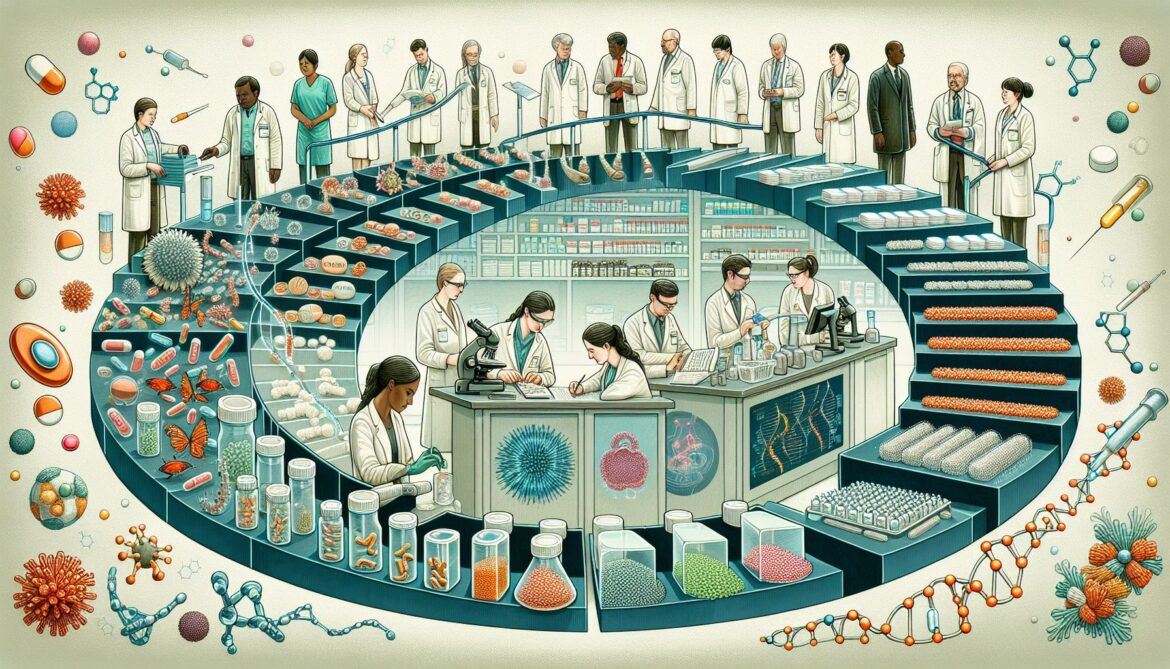
Medicines have played a pivotal role in saving lives and enhancing the quality of life for millions of people around the world. From antibiotics that combat life-threatening infections to vaccines that prevent deadly diseases, the pharmaceutical industry has revolutionized healthcare and transformed the way we live. In this blog post, we will explore the fascinating world of medicines and the pharmaceutical industry.
The Importance of Medicines
Medicines are substances or compounds that are used to diagnose, cure, treat, or prevent diseases. They can be derived from natural sources, such as plants, animals, and minerals, or synthesized in laboratories to mimic naturally occurring substances. Medicines have proven to be one of the most effective tools in modern medicine to alleviate symptoms, manage chronic conditions, and even eradicate certain diseases.
The Pharmaceutical Industry
The pharmaceutical industry is the sector responsible for the research, development, production, and distribution of medicines. It is a complex and highly regulated industry that requires extensive scientific expertise, cutting-edge technology, and rigorous quality control processes. Pharmaceutical companies invest significant resources in research and development to discover new drugs, improve existing treatments, and ensure the safety and efficacy of their products.
Drug Discovery and Development
The process of developing a new medicine involves several stages and can take many years before it reaches the market. It starts with extensive research to identify potential drug targets, followed by preclinical testing using cell cultures and animal models. Promising compounds then progress to clinical trials, which involve testing the drug’s safety and efficacy in human volunteers. If the results are positive, regulatory authorities review the data before granting approval for marketing and distribution.
Ensuring Safety and Quality
The safety and quality of medicines are of utmost importance. Regulatory bodies, such as the Food and Drug Administration (FDA) in the United States, the European Medicines Agency (EMA) in Europe, and other national authorities, impose strict guidelines and regulations to ensure that medicines are safe and effective. Manufacturers adhere to good manufacturing practices (GMP) to maintain consistent quality and undergo frequent inspections to ensure compliance.
Challenges and Innovations
The pharmaceutical industry faces numerous challenges, including skyrocketing research costs, stringent regulations, patent expirations, and generic competition. However, it also continuously strives for innovation. Pharmaceutical companies invest in cutting-edge technologies, such as artificial intelligence (AI), genomics, and nanotechnology, to develop new drugs with increased effectiveness and fewer side effects. The industry is also exploring personalized medicines, tailored to an individual’s genetic makeup, leading to more precise and efficient treatments.
Conclusion
Medicines have transformed the world of healthcare, enabling people to lead healthier and longer lives. The pharmaceutical industry plays a crucial role in discovering, developing, and manufacturing these life-saving drugs. Its continuous investment in research, adherence to strict regulations, and commitment to innovation contribute to remarkable advancements in healthcare. As we navigate the complexities of the pharmaceutical world, it is important to recognize the dedication and expertise required to bring safe and effective medicines to those in need. Let us appreciate the efforts of this industry as we witness the constant evolution and progress in the treatment and prevention of diseases.