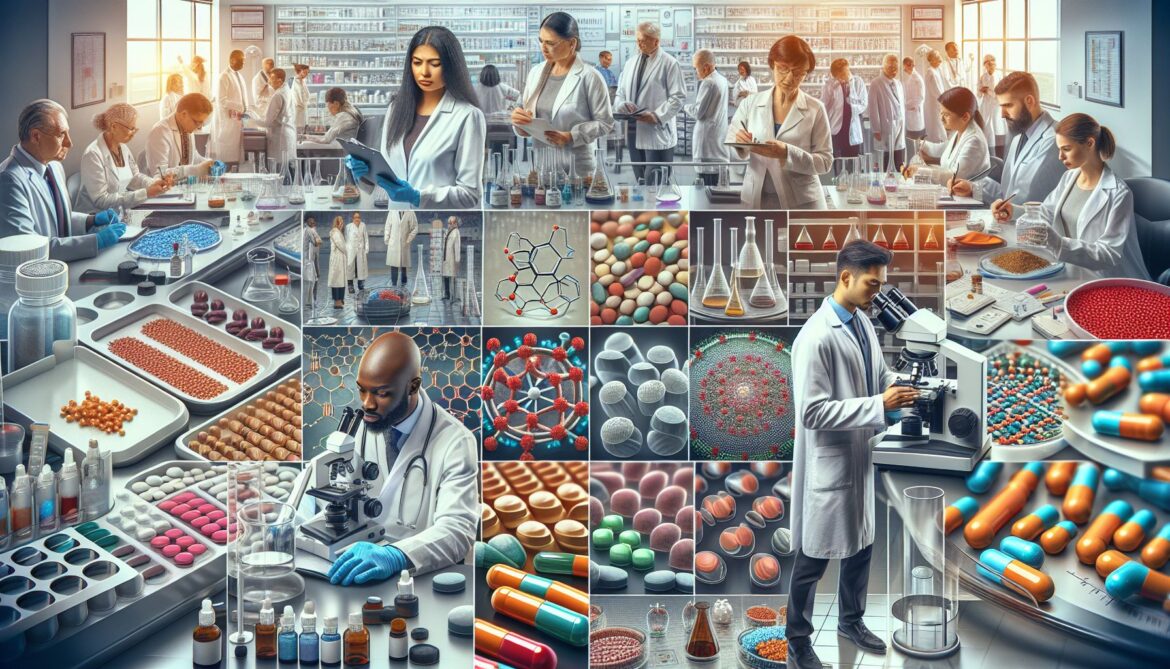
As we navigate through life, there’s one industry that has a significant impact on our well-being – the world of medicines and pharmaceuticals. From the development of life-saving drugs to the regulation of their distribution, this industry plays a vital role in improving our quality of life. Let’s delve into the captivating realm of medicines and explore the complexities behind this critical field.
The Development of Medicines: A Meticulous Process
The journey of a medicine begins long before it reaches our local pharmacies. It starts with extensive research and development conducted by pharmaceutical companies. Scientists spend years exploring potential compounds and molecules, aiming to find solutions for various health conditions. Rigorous testing and clinical trials are conducted to ensure the effectiveness and safety of potential drugs before they receive regulatory approval.
The Role of Regulatory Bodies
Regulatory bodies play a pivotal role in the pharmaceutical world. They are responsible for safeguarding public health by assessing and approving new drugs, monitoring their safety, and ensuring manufacturers comply with strict guidelines. These organizations, such as the Food and Drug Administration (FDA) in the United States, help prevent the distribution of ineffective or harmful medicines. Thanks to their efforts, we can trust the medications we consume are thoroughly tested and authorized.
The Pharmaceutical Supply Chain
The intricate pharmaceutical supply chain ensures medicines reach patients around the globe. After obtaining regulatory approval, pharmaceutical companies manufacture drugs in large quantities. These products are then distributed to wholesalers, who subsequently supply pharmacies and hospitals. Along this process, various players collaborate to ensure medicines are safely stored, transported, and made available when needed. This complex network ensures that medication is readily accessible to patients, regardless of their location.
Generic vs. Brand-name Medicines
While browsing a pharmacy’s shelves, you may notice both generic and brand-name versions of the same medicine. Brand-name drugs are the original products developed and patented by pharmaceutical companies. Their research and development costs are often significant, reflecting in higher prices. On the other hand, generic medicines are identical to their brand-name counterparts in active ingredients, dosage, and effect. These alternatives provide patients with affordable options while maintaining the same level of efficacy.
Pharmaceutical Innovations: Shaping the Future
In recent years, the pharmaceutical industry has witnessed remarkable advancements. Breakthroughs in areas like genetic research, biotechnology, and artificial intelligence have revolutionized drug development and personalized medicine. Scientists can now target specific genetic factors to develop highly tailored treatments, leading to better outcomes for patients. Additionally, technological innovations have accelerated research and improved manufacturing processes, reducing costs and increasing access to life-saving medications.
Conclusion
As we conclude our exploration of the world of medicines and pharmaceuticals, it becomes evident how this industry deeply impacts our lives. Through meticulous development processes, strict regulatory measures, and innovative research, pharmaceutical companies continuously strive to improve our well-being. As consumers, we can trust in the safety and efficacy of the medicines we rely on, grateful for the dedicated professionals who work tirelessly to ensure our health.