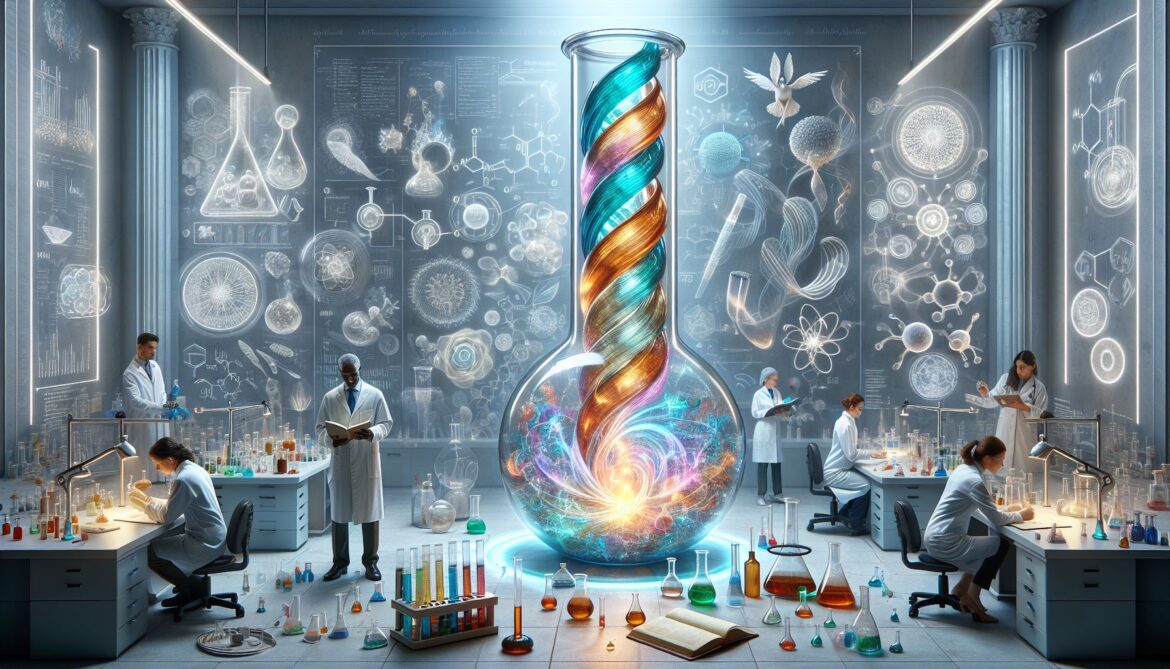
Medicines have had an incredible impact on the world, playing a vital role in our overall well-being and longevity. The pharmaceutical industry, dedicated to the research, development, production, and distribution of drugs, has been at the forefront of advancing healthcare. Let’s take a closer look at the captivating world of medicines and the pharmaceutical industry.
Introduction: Unlocking the Power of Medicines
Medicines have been a game-changer, revolutionizing our ability to treat and cure diseases. From the discovery of penicillin to the development of vaccines, medicines have alleviated suffering and saved countless lives. But behind every pill we take, and much more than we realize, lies a vast and complex world of pharmaceutical science and innovation.
Body: Delving into the Pharmaceutical World
1. Research and Development
The pharmaceutical industry invests significant time and resources into research and development. This involves identifying potential drug candidates, carrying out preclinical and clinical trials, and obtaining regulatory approvals. Only a small fraction of potential candidates successfully navigate this rigorous process to become approved medicines.
2. Manufacturing and Quality Control
Once a drug receives regulatory approval, it enters the manufacturing phase. Pharmaceutical companies must adhere to strict quality control measures to ensure the production of safe and effective medicines. These processes involve stringent testing, adherence to Good Manufacturing Practices (GMP), and rigorous quality assurance protocols.
3. Distribution and Supply Chain
The pharmaceutical supply chain encompasses the entire journey of a medicine, from manufacturer to patient. This complex system involves multiple stakeholders, such as distributors, wholesalers, pharmacies, and healthcare providers. Ensuring a seamless and efficient supply chain is essential to guarantee access to medicines worldwide.
4. Regulatory Frameworks
To ensure patient safety, regulatory agencies meticulously evaluate and approve medicines, taking into account their efficacy, quality, and safety profile. These agencies, such as the U.S. Food and Drug Administration (FDA) and the European Medicines Agency (EMA), enforce stringent guidelines, monitoring drugs post-approval to oversee any potential side effects or adverse events.
5. Technological Advancements
Pharmaceutical research and development are driven by cutting-edge technology. Fields such as genomics, bioinformatics, and artificial intelligence play crucial roles in drug discovery and development. These advancements not only expedite the process but also hold the key to targeted therapies, personalized medicine, and innovative treatment strategies.
Conclusion: A Powerful Force for Public Health
The pharmaceutical industry is an indispensable force that has advanced public health and transformed medical care. Medicines, backed by extensive research, rigorous manufacturing processes, and a well-regulated environment, have revolutionized healthcare outcomes. Although challenges such as patent protection, affordability, and access to medicines persist, the pharmaceutical industry continues to strive for breakthrough innovations to overcome these obstacles and provide life-saving treatments to communities across the globe.
Whether we are grateful for a simple painkiller or a life-saving treatment, it is important to appreciate the intricate world of the pharmaceutical industry. The next time you take a pill, remember the vast network of scientists, researchers, manufacturers, and regulators who have contributed to improving your quality of life through the fascinating world of medicines.