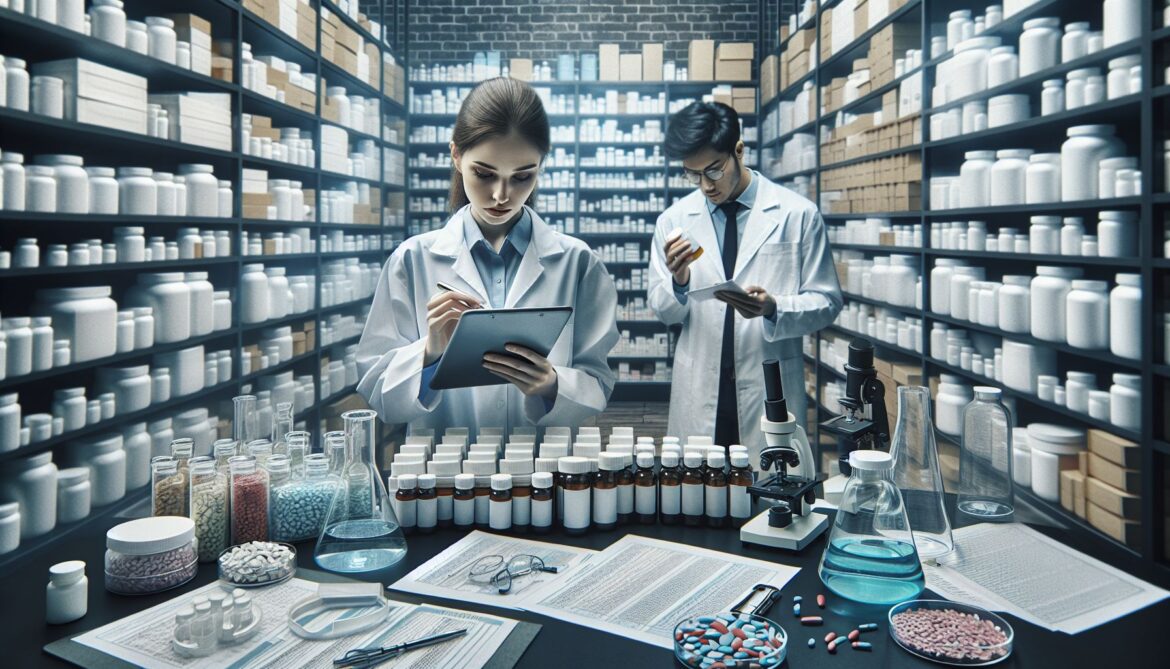
The world of medicines and the pharmaceutical industry is a vast and essential part of our lives. From the common cold to life-threatening conditions, medicines play a crucial role in alleviating our suffering and improving our well-being. In this blog post, we will delve into the fascinating world of medicines and provide an overview of the pharmaceutical industry that supports it.
Introduction
Medicines are substances that are designed and formulated to prevent, treat, or cure diseases. They can be administered in various forms, including tablets, capsules, liquids, injections, and even inhalers. The discovery, development, production, and regulation of medicines involve an intricate process that requires rigorous scientific research, testing, and approvals.
The Pharmaceutical Industry
The pharmaceutical industry, or pharma industry, is the sector responsible for researching, developing, manufacturing, and distributing drugs. It is a highly regulated industry that adheres to strict quality standards and safety measures. The industry comprises pharmaceutical companies of all sizes, including large multinational corporations, medium-sized enterprises, and small start-ups.
Pharmaceutical companies invest considerable time, effort, and resources into research and development (R&D). This involves exploring new molecules, testing their effectiveness and safety, obtaining regulatory approvals, and conducting clinical trials to ensure the medicines’ efficacy. All these steps can take several years and incur substantial costs.
After successfully developing a new medicine, pharmaceutical companies seek market approval from regulatory authorities, such as the Food and Drug Administration (FDA) in the United States. These agencies evaluate the safety, quality, and efficacy of the medicine before granting approval for public consumption.
The Medicine Journey
The journey of a medicine from inception to consumption is a long and meticulous process. Let’s briefly explore the various stages in this journey:
-
Discovery and Research: Scientists identify potential target molecules or substances that could have therapeutic value and study their properties.
-
Preclinical Testing: Promising molecules are subjected to extensive laboratory tests and animal studies to evaluate their toxicity, effectiveness, and potential side effects.
-
Clinical Trials: If a molecule demonstrates promising results in preclinical testing, it progresses to clinical trials. These trials involve testing the molecule’s safety and efficacy on human volunteers under strict scientific protocols.
-
Regulatory Approval: After successful completion of clinical trials, pharmaceutical companies submit extensive data to regulatory authorities for review. The authorities evaluate the collected evidence and decide whether to grant approval for public use.
-
Mass Production and Distribution: Once approved, the medicine enters mass production, ensuring it complies with stringent quality control measures. The pharmaceutical companies distribute the medicine to pharmacies, hospitals, and other healthcare facilities.
Conclusion
The medicines we rely on for our well-being and survival undergo a rigorous journey before they reach us. From the discovery stage to regulatory approval and mass distribution, the pharmaceutical industry plays a vital role in ensuring safe and effective medicines are available to all. Next time you take a pill or receive treatment, take a moment to appreciate the immense efforts and advancements that make it possible for medicines to improve our lives.
So, the next time you take a medication, remember the intricate processes involved in making that medicine available to you, allowing you to recover and lead a healthier life.