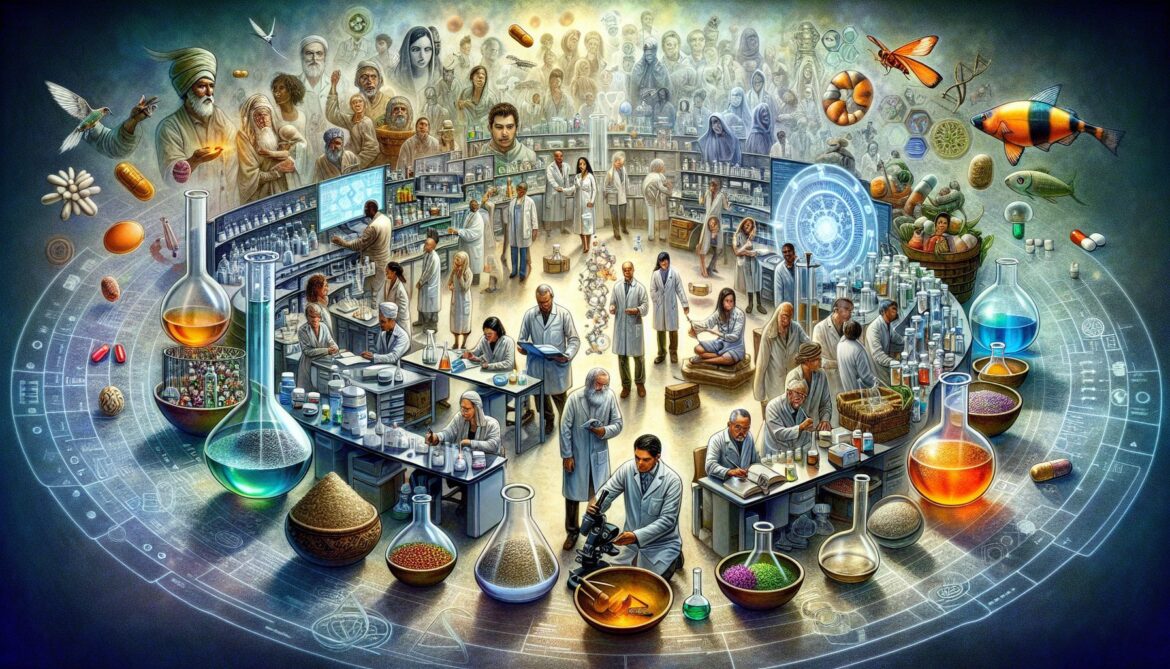
The discovery and development of new medicines have revolutionized the healthcare industry, saving countless lives and enhancing the quality of life for millions of people around the world. The pharmaceutical industry plays a crucial role in this process, constantly pushing boundaries and striving to improve existing treatments or create novel therapeutic solutions. In this article, we will explore the fascinating world of medicines and the pharmaceutical industry – where science, innovation, and patient well-being intersect.
Unleashing the Power of Research and Development
Behind every medicine lies years of tireless research and development. It all starts with identifying a need – an unmet medical condition or a health problem that needs a solution. Once identified, researchers set out to investigate potential treatment options. This rigorous process involves conducting laboratory experiments, analyzing data, and, if successful, progressing to preclinical and clinical trials.
These trials are meticulously designed to assess the medicine’s safety, efficacy, and any possible side effects in a controlled setting. They involve human volunteers: carefully selected individuals who consent to participate, contributing to the advancement of medical science. Ethical considerations and strict regulations govern the entire process, ensuring patient safety remains paramount.
Collaboration to Drive Progress
The world of medicines cannot thrive without collaboration. Pharmaceutical companies often work hand in hand with academic institutions, researchers, healthcare professionals, and regulatory bodies to bring new medicines to market. This collaboration enables the sharing of knowledge, resources, and expertise, ultimately benefiting patients worldwide.
Furthermore, partnerships between pharmaceutical companies and patient advocacy groups are also critical. By engaging with patients and understanding their needs, companies can develop medicines that cater to specific populations, with a focus on improving patient outcomes and quality of life.
Addressing Global Health Challenges
The pharmaceutical industry continually rises to meet global health challenges. It invests heavily in disease areas with high unmet medical needs, such as cancer, cardiovascular diseases, and infectious diseases. From developing breakthrough treatments to creating vaccines and combating antimicrobial resistance, the industry’s efforts have a profound impact on public health.
Additionally, the ongoing COVID-19 pandemic has showcased the agility and dedication of the pharmaceutical industry. Rapid development and global distribution of vaccines have been instrumental in controlling the spread of the virus. Such breakthroughs underline the industry’s commitment to safeguarding public health and its ability to respond swiftly to emergent threats.
The Future of Medicines
As technology continues to advance, the pharmaceutical industry embraces innovation to shape the future of medicines. Precision medicine, gene therapies, and digital health solutions are areas of active exploration. These advancements hold the promise of personalized treatments, improved efficacy, and simplified healthcare delivery for patients.
Nevertheless, challenges arise, such as the need for regulatory frameworks that keep pace with innovations. Striking a balance between facilitating quick access to lifesaving medicines and ensuring their safety and efficacy remains a crucial task for regulatory authorities.
Conclusion
The pharmaceutical industry is at the forefront of medical progress, tirelessly striving to develop new medicines and address unmet medical needs. Through research, collaboration, and innovation, it continues to improve patient outcomes, saving lives and enhancing the well-being of individuals worldwide. As we look to the future, the world of medicines holds immense potential to transform healthcare as we know it, bringing hope and healing to those in need.