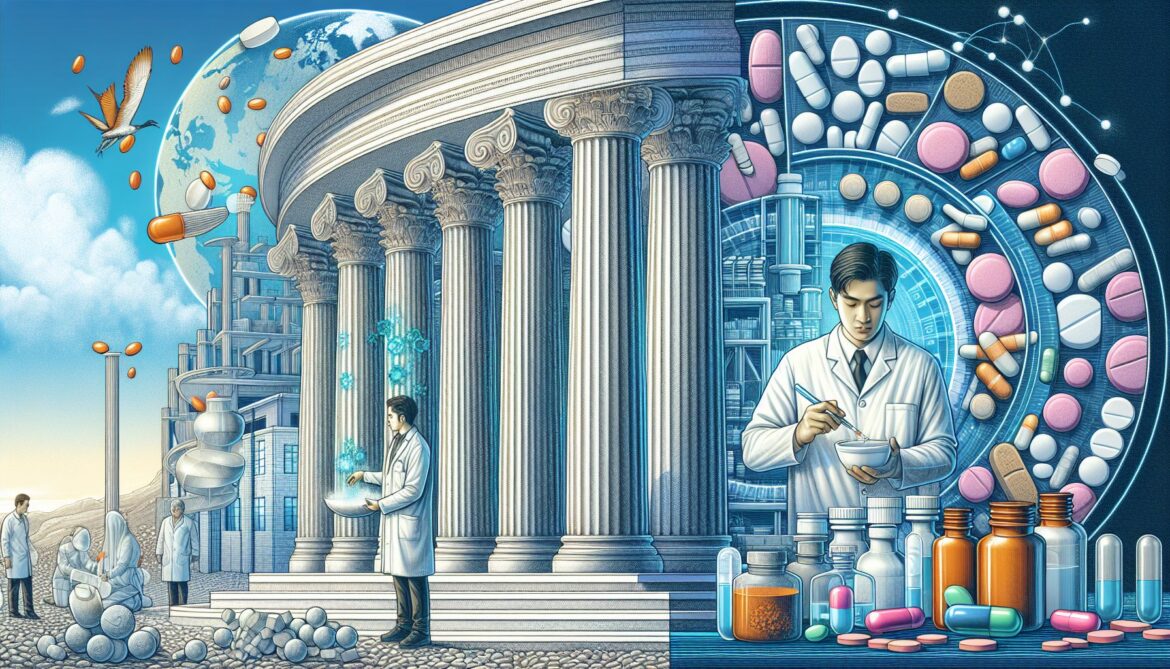
The pharmaceutical industry plays a vital role in society by developing and manufacturing drugs that help treat various medical conditions. Medicines are essential for improving health outcomes and quality of life for individuals around the world. In this blog post, we will delve into the world of medicines and explore the inner workings of the pharmaceutical industry.
The Importance of Medicines
Medicines are critical for managing chronic diseases, alleviating symptoms, preventing illnesses, and curing infections. They help save lives, reduce pain and suffering, and improve overall well-being. The development of new drugs has led to significant advancements in medical treatments and has revolutionized healthcare practices.
The Drug Development Process
The journey of a medicine from discovery to the pharmacy shelf is a complex and highly regulated process. It starts with researchers identifying a potential drug target, followed by preclinical testing in the lab and animal studies. If the drug candidate shows promise, it moves on to clinical trials involving human subjects to evaluate its safety and efficacy. Regulatory agencies like the FDA then review the data and approve the drug for public use.
Challenges in the Pharmaceutical Industry
The pharmaceutical industry faces several challenges, including high development costs, lengthy approval processes, patent expirations, and increasing competition. Companies must invest substantial resources in research and development to bring new drugs to market, with no guarantee of success. Generic drug manufacturers also pose a threat by producing cheaper alternatives to brand-name medications.
The Role of Regulation
Regulatory bodies like the FDA and EMA play a crucial role in ensuring the safety and efficacy of medicines. They set standards for drug testing, approval, manufacturing, and labeling to protect public health. Regulatory compliance is essential for pharmaceutical companies to maintain trust and credibility with healthcare professionals and consumers.
The Future of Medicines
Advancements in technology, such as precision medicine, gene therapy, and artificial intelligence, are shaping the future of drug development. These innovations hold the promise of more personalized and effective treatments tailored to individual patient needs. The pharmaceutical industry must continue to adapt to changing trends and embrace new technologies to stay competitive in a rapidly evolving landscape.
Conclusion
Medicines are a cornerstone of modern healthcare, providing essential treatments for a wide range of medical conditions. The pharmaceutical industry plays a crucial role in developing, manufacturing, and distributing these life-saving drugs. As we navigate the complexities of drug development, regulation, and innovation, it is crucial to recognize the significant impact that medicines have on our health and well-being. Let’s continue to support and invest in the pharmaceutical industry to ensure a healthier future for all.