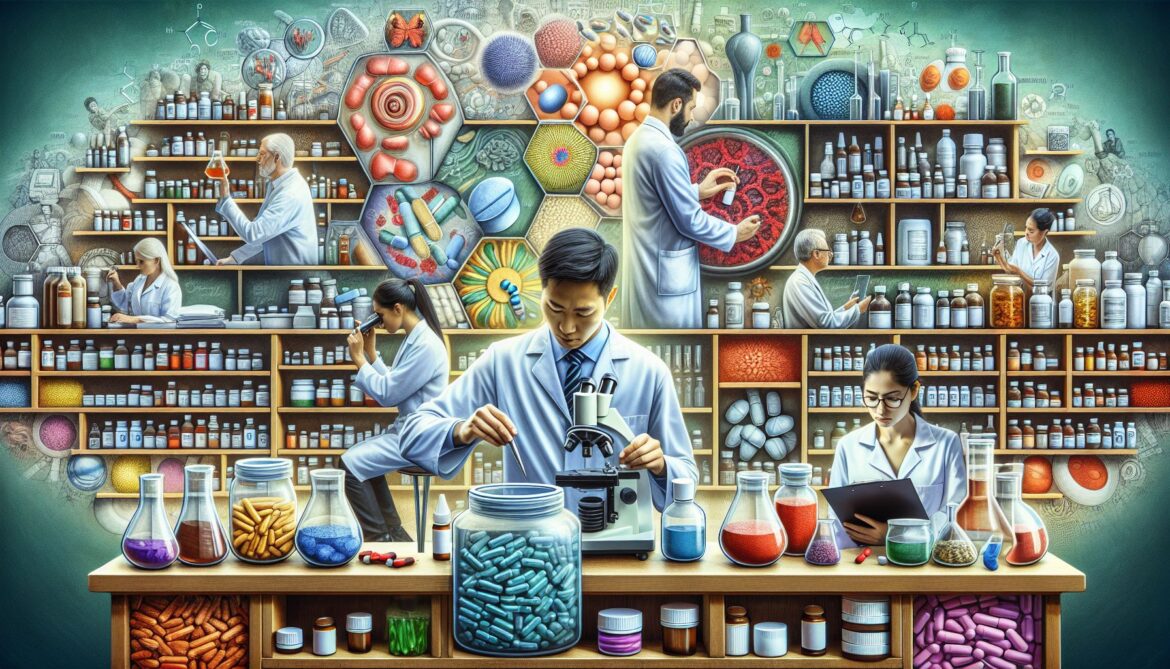
The pharmaceutical industry plays a vital role in our society by developing and producing medications that help treat various ailments and improve the quality of life for millions of people. From over-the-counter pain relievers to life-saving cancer treatments, medicines have the power to make a significant impact on our health and well-being.
In recent years, the pharmaceutical world has seen exponential growth and innovation in the development of new drugs. More and more companies are investing in research and development to create groundbreaking treatments for a wide range of conditions, from chronic diseases to rare genetic disorders. These advancements have the potential to revolutionize the way we approach healthcare and offer hope to patients who previously had limited treatment options.
However, with great power comes great responsibility. The pharmaceutical industry also faces challenges such as drug pricing, access to medications, and concerns about the safety and efficacy of certain drugs. There is ongoing debate about the affordability of prescription drugs, particularly in the United States, where the high cost of medications has become a significant burden for many patients.
Additionally, the industry is constantly under scrutiny for issues such as drug recalls, off-label marketing, and conflicts of interest. Regulatory bodies like the Food and Drug Administration (FDA) play a crucial role in ensuring that pharmaceutical companies adhere to strict guidelines and provide safe and effective products to consumers. Transparency and accountability are key principles that must be upheld to maintain public trust in the pharmaceutical sector.
Despite these challenges, the pharmaceutical industry continues to make significant contributions to the field of medicine. Thanks to ongoing research and development efforts, new drugs are being discovered and introduced into the market every year, offering hope to patients with previously untreatable conditions. Breakthroughs in areas such as personalized medicine, gene therapy, and immunotherapy hold great promise for the future of healthcare.
In conclusion, the world of medicines and pharmaceuticals is a complex and dynamic landscape that is constantly evolving. While there are challenges and controversies that the industry must address, there is also immense potential for positive change and innovation. By working together to prioritize patient safety, accessibility, and ethical practices, we can ensure that the pharmaceutical industry continues to play a crucial role in improving global health outcomes.
Ultimately, the goal of the pharmaceutical industry should be to prioritize the well-being of patients and to use its resources and expertise to create a healthier and more prosperous world for all.