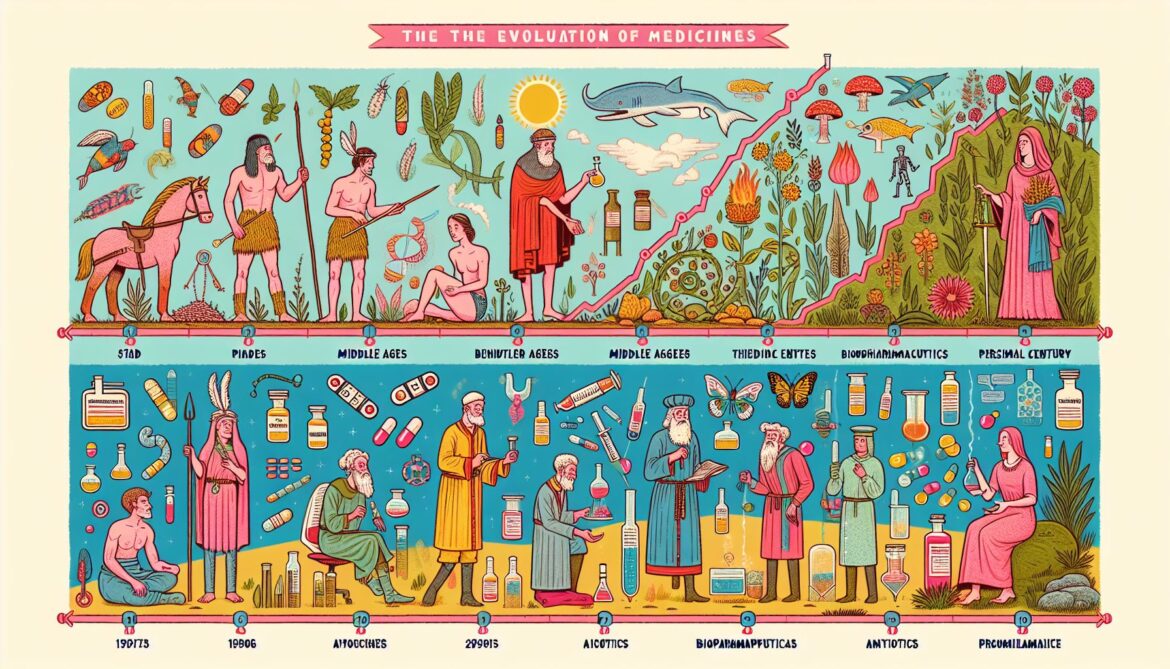
Medicines have long been the cornerstone of healthcare, enabling the treatment and prevention of a myriad of illnesses and diseases. Over the years, the pharmaceutical industry has grown exponentially, combining scientific breakthroughs, medical expertise, and cutting-edge technology to develop innovative drugs that have transformed the way we approach healthcare. In this blog post, we explore the evolution of medicines and discuss the ever-evolving landscape of the pharmaceutical world.
The Introduction of Medicines: A Breakthrough in Healthcare
Since ancient times, humans have sought remedies for their ailments. From herbal concoctions to unconventional treatments, early medicine was fueled by a combination of trial and error and observations. The discovery of antibiotics in the early 20th century marked a pivotal turning point in the history of medicine. Suddenly, previously incurable diseases like pneumonia and tuberculosis became treatable, revolutionizing the healthcare landscape.
The Rise of Pharmaceuticals and Their Impact on Society
With the advent of the pharmaceutical industry, the range of medicines available to healthcare professionals and patients expanded dramatically. Advances in chemistry, genetics, and molecular biology allowed scientists to develop drugs designed to target specific diseases, offering improved efficacy and reduced side effects. This newfound power to manipulate molecules and alter biological processes heralded a new era of precision medicine.
The Driving Forces Behind Pharmaceutical Innovations
The development of new medicines is a complex and lengthy process that involves extensive research, clinical trials, and rigorous regulations. Pharmaceutical companies invest billions of dollars into research and development, ensuring their products meet safety and efficacy standards. The end goal is to create drugs that alleviate suffering, improve quality of life, and potentially even cure diseases that were once considered untreatable.
The Role of Technology in the Pharmaceutical World
Technology has played a pivotal role in advancing the pharmaceutical industry. From automating drug discovery processes to the use of artificial intelligence in identifying potential drug candidates, the integration of technology has significantly accelerated the pace of innovation. Furthermore, advancements in manufacturing techniques have made mass production of medicines more streamlined and cost-effective, allowing greater accessibility for patients worldwide.
Challenges and Ethical Considerations
While the pharmaceutical industry has undeniably brought immense benefits to society, it also faces significant challenges and ethical dilemmas. High drug prices, patent protection, and access to medicines are just a few of the issues that continue to be debated. Striking a balance between profitability and affordability while ensuring widespread access to life-saving medications remains a pressing concern for policymakers and healthcare organizations worldwide.
The Future of Medicines: A Glance into Tomorrow
As scientific knowledge expands and technology continues to evolve, the future of medicines holds great promise. Gene therapies, personalized medicine, and targeted therapies are emerging fields that offer the potential for even more precise and effective treatments. Moreover, advancements in telemedicine and digital health technologies are paving the way for improved patient care and remote access to medical expertise, particularly in underserved areas.
Conclusion
Medicines have come a long way since the days of potions and elixirs. The pharmaceutical industry has driven unprecedented growth, enabling the prevention, treatment, and management of diseases that once posed insurmountable challenges. By combining scientific expertise, technological advancements, and ethical considerations, the pharmaceutical world will continue to push the boundaries of innovation, ensuring a healthier and more prosperous future for all.