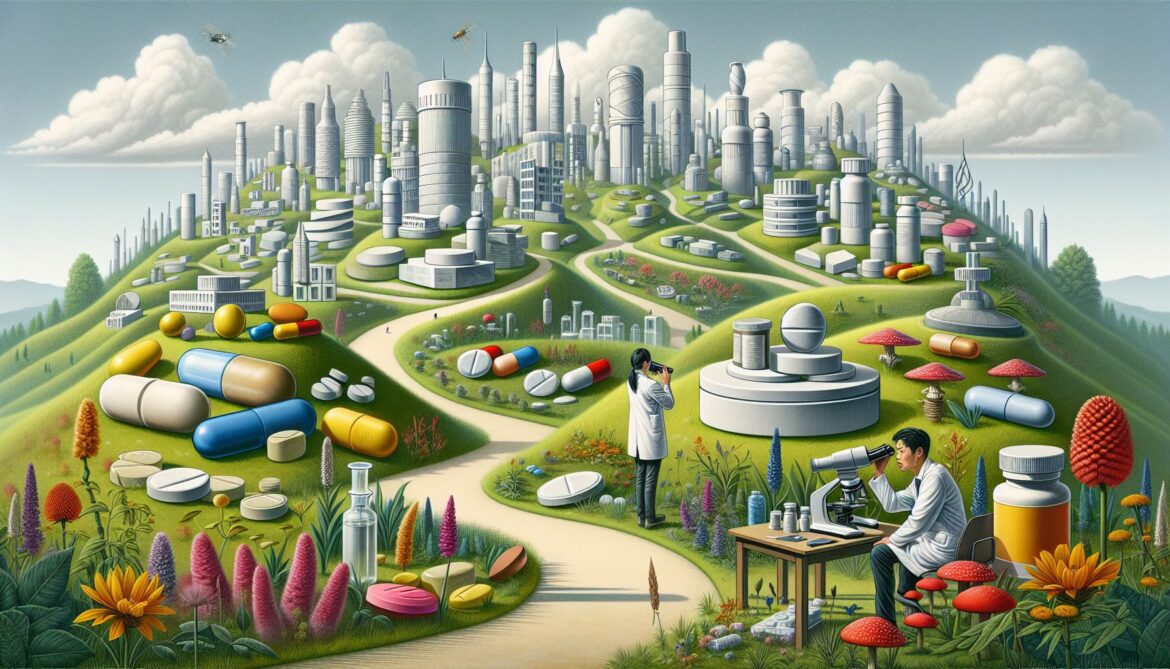
The pharmaceutical industry is a critical part of modern healthcare systems. It plays a fundamental role in the development, production, and distribution of medicines that have the potential to save lives and improve well-being. This industry has evolved significantly over the years, driven by scientific advancements, shifting societal needs, and a rapidly changing global landscape. In this article, we will explore the fascinating world of medicines and delve into the evolving pharmaceutical industry.
Understanding Medicines
Medicines are substances or combinations of substances that are intended to have a therapeutic effect on the body. They can be derived from various sources, such as plants, animals, or synthesized chemically. Medicines are meticulously designed and rigorously tested to ensure safety, efficacy, and quality.
They come in different forms, including tablets, capsules, injections, inhalers, ointments, and more. Each form serves a specific purpose, depending on the condition being treated and the desired route of administration. Furthermore, medicines can target a range of diseases and health conditions, from infectious diseases to chronic illnesses, providing relief, reducing symptoms, and even curing some ailments.
The Role of the Pharmaceutical Industry
The pharmaceutical industry is responsible for the research, development, and production of medicines. It encompasses a broad range of activities, from discovering new molecules to conducting clinical trials and obtaining regulatory approvals. This industry operates on a global scale, with numerous companies and organizations working tirelessly to bring new and improved medicines to market.
One of the key aspects of the pharmaceutical industry is research and development (R&D). Scientists and researchers strive to identify new drug targets, discover novel molecules, and optimize their effectiveness. This process can take many years and involves extensive testing and evaluation. Once a compound shows promise, it undergoes rigorous clinical trials to determine its safety and efficacy in humans.
Challenges and Opportunities
The pharmaceutical world is not without its challenges. Developing new medicines can be a lengthy and expensive process. Many potential drug candidates fail during the testing phase, highlighting the need for resilience and innovation. Additionally, regulatory frameworks and intellectual property rights pose complex hurdles to pharmaceutical companies.
Nevertheless, the evolving pharmaceutical landscape also presents exciting opportunities. Advances in technology, such as genomics and artificial intelligence, are transforming the way drugs are discovered, developed, and personalized for patients. Collaboration between research institutions, pharmaceutical companies, and regulatory agencies is increasingly crucial for success in this dynamic industry.
Conclusion
Medicines have revolutionized healthcare, saving countless lives and improving the quality of life for millions of people worldwide. The pharmaceutical industry continues to evolve, driven by scientific breakthroughs, societal needs, and technological advancements. The development of new medicines is a complex and demanding process, but the potential rewards are immense.
As we reflect on the indispensable role of medicines and the ever-changing pharmaceutical world, it is crucial to recognize the dedication and expertise of the people involved. From scientists and researchers to healthcare professionals and regulators, their collective efforts contribute to the advancement of healthcare and the well-being of individuals and communities globally.