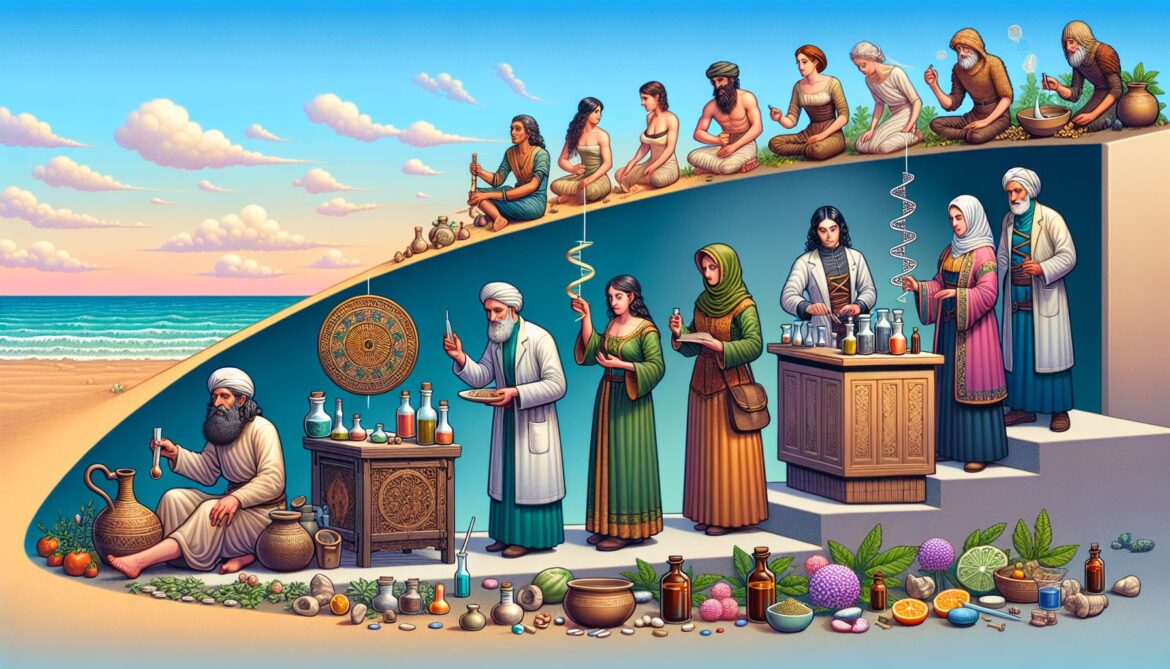
The pharmaceutical industry has witnessed remarkable strides and breakthroughs over the years. The development, manufacturing, and distribution of medicines play a crucial role in improving healthcare globally. Through continuous research and innovation, the pharmaceutical world has contributed significantly to enhancing the quality of life and the treatment of various ailments. In this blog post, we will explore the fascinating evolution of medicines and the dynamic pharmaceutical landscape.
The Introduction of Medicines
The history of medicine dates back thousands of years when humans discovered the healing properties of herbs and plants. As civilization progressed, so did medical knowledge and the development of diverse remedies. From ancient civilizations using natural ingredients to the emergence of synthetic drugs in the 19th century, the journey of medications has been a remarkable one.
From Aspirin to Antibiotics
The advancements in medicine have given birth to countless life-saving drugs. Aspirin, one of the oldest and most widely used drugs, was developed in the late 19th century and revolutionized pain relief. Soon after, the discovery of antibiotics, such as penicillin, heralded a new era in medicine by combating infectious diseases.
Modern Medicine and Technology
In recent decades, pharmaceutical companies have been leveraging technological advancements to enhance research, manufacturing, and drug delivery. From harnessing the potential of artificial intelligence to accelerate drug discovery to utilizing nanotechnology for targeted drug delivery, these innovations have transformed the pharmaceutical landscape.
Clinical Trials and Approvals
Before a medicine reaches the hands of patients, it must undergo rigorous testing through clinical trials. These trials, often conducted in multiple stages, assess the drug’s safety, efficacy, and potential side effects. Regulatory bodies, such as the Food and Drug Administration (FDA) in the United States, play a pivotal role in scrutinizing medications and granting approvals for their commercialization.
The Challenges and Responsibilities
While the pharmaceutical world is undeniably crucial for public health, it faces various challenges. Research and development of new drugs can be a time-consuming and expensive process. Additionally, pharmaceutical companies bear the responsibility of ensuring patient safety, maintaining ethical practices, and promoting accessibility to medications.
The Future of Medicines
The future of medicines is brimming with possibilities. With advancements in genetic research and personalized medicine, treatments tailored to an individual’s genetic makeup are becoming a reality. Furthermore, groundbreaking discoveries in areas such as immunotherapy and gene editing offer hope for previously untreatable conditions.
Conclusion
The journey of medicines and the dynamic pharmaceutical world have revolutionized healthcare over time. From ancient remedies to cutting-edge technology, the evolution of medicines has improved countless lives. As research continues, the pharmaceutical industry remains committed to developing safer, more effective drugs and navigating the challenges it faces. With each medical breakthrough, we move closer to a healthier and more prosperous future for all.